WELCOME TO KINGHOME
Get A Free Quote
We will get back to you within 8 hours

WELCOME TO KINGHOME
We will get back to you within 8 hours


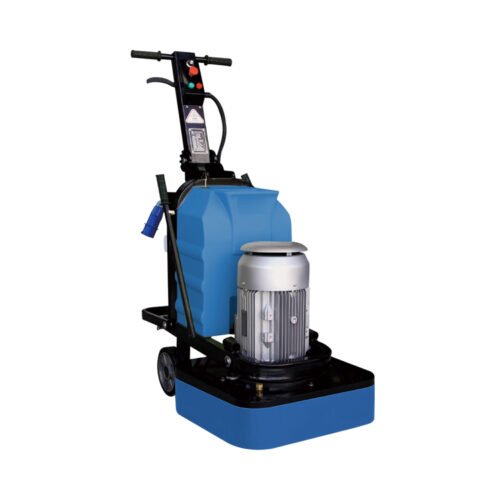


Professional floor grinder machines deliver precision surface preparation, polishing, and restoration for commercial stone and concrete applications. These machines remove coatings, level uneven surfaces, and create mirror finishes on marble, granite, terrazzo, and hardened concrete floors through rotating abrasive discs loaded with diamond segments or polishing pads. KingHome offers planetary and rotary grinder configurations from established manufacturers including Revontulet, Klindex, and Kärcher, engineered for continuous commercial operation in hospitality, retail, healthcare, and institutional facilities.
Use a floor grinder when the job requires surface leveling, coating removal, concrete preparation, lippage correction, or stone restoration before polishing. Planetary grinders suit larger concrete and stone floors, while compact rotary grinders help with edges, spot repairs, and smaller restoration jobs.
| Grinding task | Best machine choice | Typical buyer intent |
|---|---|---|
| Concrete surface preparation | Planetary floor grinder | Level slabs, open pores, prepare for coating |
| Stone floor restoration | Stone grinder or renovation machine | Remove scratches, flatten joints, prepare polishing |
| Coating or adhesive removal | Heavy-duty grinder with correct diamond tooling | Remove epoxy, glue, paint, or old floor finish |
| Small-area repair or edge work | Compact rotary grinder | Spot grinding, countertop work, detail correction |
Compare KingHome floor grinder machines by floor material, working area, power, tooling compatibility, and whether the project needs grinding only or a full grind-to-polish restoration workflow.
Floor grinder specifications determine performance capacity and application suitability. Planetary systems feature multiple counter-rotating satellite heads (typically 3-6 discs) mounted on a main rotating plate, delivering balanced grinding motion with easier operator control and reduced fatigue during extended polishing operations. Single-disc and dual-disc rotary grinders generate higher torque for aggressive coating removal and heavy surface preparation, typically processing 200-400 square feet per hour depending on grinding depth and diamond tooling selection. Machine horsepower ranges from 1.5 HP for compact edge grinders to 20+ HP for large production units, with grinding widths spanning 10 inches to 36 inches based on project scale requirements.
Commercial floor grinding applications include epoxy coating removal, concrete surface profiling for overlay systems, marble and granite restoration, terrazzo honing, and decorative concrete polishing. Wet grinding capabilities minimize airborne silica dust and extend diamond tooling life, while dry grinding with vacuum dust collection systems enables faster material removal rates in well-ventilated spaces. Variable speed controls allow operators to adjust disc rotation (typically 175-1750 RPM) to match stone hardness, existing surface conditions, and desired finish levels from aggressive grinding to fine polishing.
Equipment selection requires matching machine weight, power requirements, and grinding head configuration to specific project demands. Lighter planetary grinders (250-600 lbs) offer superior maneuverability for smaller areas and detailed edgework, while heavier rotary systems (800-1500 lbs) provide downward pressure needed for efficient coating removal and concrete flattening on large commercial floors. Electric models operate on standard 110V household circuits or dedicated 220V/3-phase industrial power, with propane and gas engine alternatives available for outdoor applications or locations without electrical infrastructure. KingHome provides technical consultation, replacement grinding discs, polishing pads, and maintenance support to ensure optimal machine performance throughout equipment lifecycle.
GET IN TOUCH
Floor grinding machines should be compared by surface, production speed, tooling path, and the finish that comes after grinding. A concrete grinder or concrete floor grinder is usually selected for coating removal, slab leveling, pore opening, and preparation before densifier or sealer. A stone floor grinder or marble grinding machine needs more control over scratch depth, water use, edge access, and the transition into polishing or crystallization.
| GSC query pattern | Archive selection direction | What to confirm before ordering |
|---|---|---|
| Floor grinder, floor grinders, or floor grinding machines | Start with working width, machine weight, power supply, and whether the project is concrete preparation or stone restoration | Check operator access, transport limits, dust or slurry control, and the full grit sequence. |
| Concrete grinder or concrete floor grinder | Use a heavier grinder with suitable diamond tooling for coating removal, laitance removal, leveling, or profile creation | Match bond hardness and segment style to concrete hardness before moving into polishing. |
| Concrete polisher or concrete grinder polisher | Clarify whether the machine must cut aggressively, refine scratches, or maintain an already polished floor | Grinding pressure, pad speed, and tooling compatibility matter more than the label on the machine. |
| Planetary grinders or single disc floor grinder | Use planetary grinders for flatter large-area work and single-disc machines for maintenance, smaller spaces, or controlled restoration | Compare head movement, edge reach, machine stability, and service support. |
For diamond floor grinding, the grinder and diamond tooling should be specified together. Coarse metal-bond tools can open concrete or remove coatings, while finer resin steps prepare marble, terrazzo, and granite for gloss. If the job is a terrazzo grinder machine or marble grinding machine request, test a small area first so the tooling removes damage without leaving scratches that are too deep for later polishing.
Related planning paths: compare floor grinder selection factors, read the floor grinder vs concrete polisher guide, match machines with diamond grinding discs, and review Klindex LEVIGHETOR 650, HG HRC 750 ST, and Lightweight Floor Grinder before building a grinder package.


u003cstrongu003eA: u003c/strongu003ePlanetary grinders use multiple counter-rotating satellite heads for balanced, easier-to-control operation ideal for polishing and fine finishing work. Rotary single-disc or dual-disc grinders deliver higher torque and more robust drive systems for aggressive coating removal and heavy surface preparation, processing concrete and stone more efficiently when substantial material removal is required. Planetary systems have shorter operator learning curves and excel at precision polishing, while rotary machines handle thick adhesives and coatings more effectively.
u003cstrongu003eA: u003c/strongu003eMatch grinding width to project scale—10-12 inch grinders suit tight spaces, corridors, and edge work, while 20-36 inch machines maximize productivity on large open floors. Consider coverage rates: compact grinders process 200-250 sq ft/hour, mid-sized units handle 400-600 sq ft/hour, and large production grinders exceed 1000 sq ft/hour. Evaluate doorway access (standard 36-inch clearance), available electrical service (110V vs 220V/3-phase), and required portability between floors or buildings.
u003cstrongu003eA: u003c/strongu003eDaily cleaning removes stone dust and debris from grinding heads, shrouds, and vacuum ports to maintain optimal performance. Weekly inspections check drive belts for proper tension and wear, examine diamond segments or pads for replacement needs, and verify vacuum hose connections. Monthly lubrication of motor bearings and moving parts according to manufacturer specifications prevents premature wear, while annual professional servicing addresses drive system components, electrical connections, and safety mechanisms.
u003cstrongu003eA: u003c/strongu003eYes, professional grinder machines handle marble, granite, terrazzo, and concrete by changing diamond tooling grit and adjusting machine speed settings. Softer stones like marble require lower RPM speeds (175-300) and finer diamond grits to prevent surface damage, while harder concrete surfaces need higher speeds (800-1750 RPM) and more aggressive diamond segments for efficient grinding. Wet grinding mode protects heat-sensitive marble from thermal stress and produces smoother finishes on natural stone.
u003cstrongu003eA: u003c/strongu003eDiamond grinding segments in varying grits (coarse 16-30, medium 50-100, fine 200-400) handle surface removal, leveling, and initial polishing stages. Resin-bonded polishing pads in progressive grits (400-3000) create refined finishes on stone surfaces, while cup wheels and grinding plates with carbide or PCD (polycrystalline diamond) segments remove thick coatings, mastics, and epoxies. Magnetic quick-change systems enable rapid tooling switches between grinding and polishing operations without manual fastener adjustment.
 English
  Spanish